Balancing with Rule of Thirds
Editing enhances without overpowering. Thoughtful adjustments to color, contrast, and clarity refine the mood while preserving authenticity.
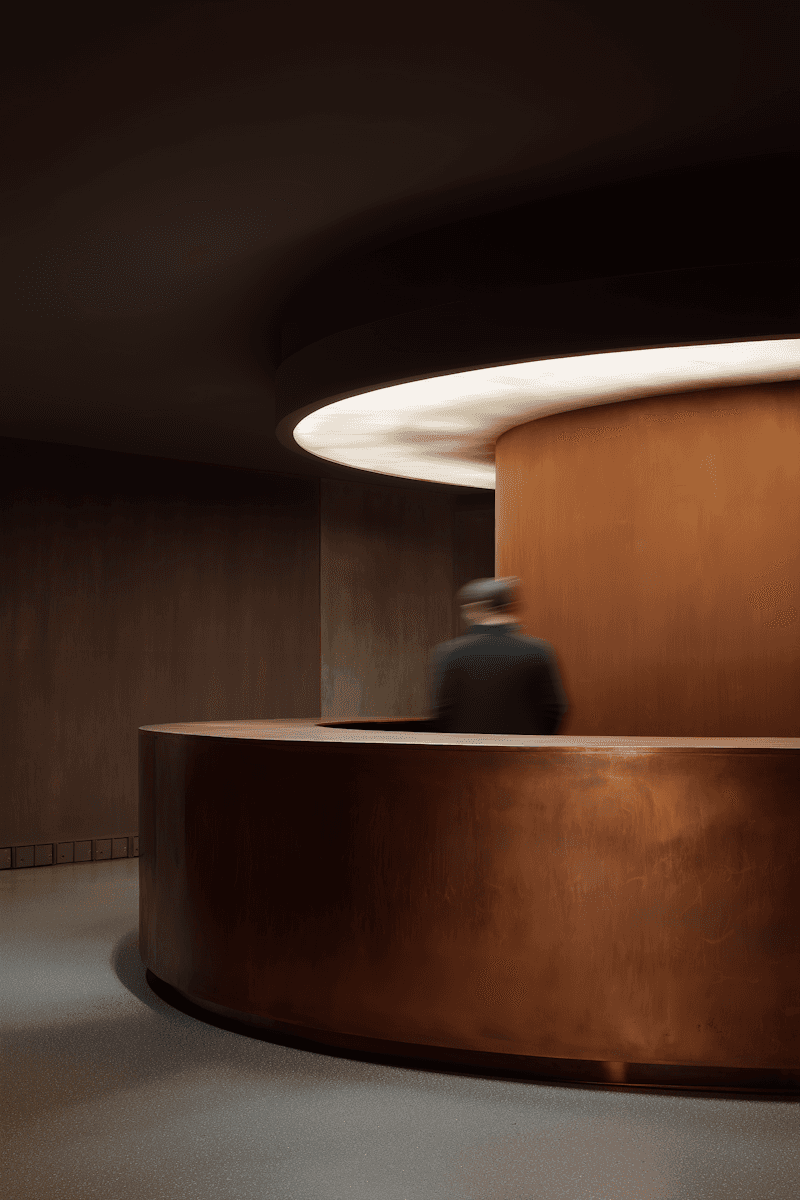
Understanding Light’s Role in Photography
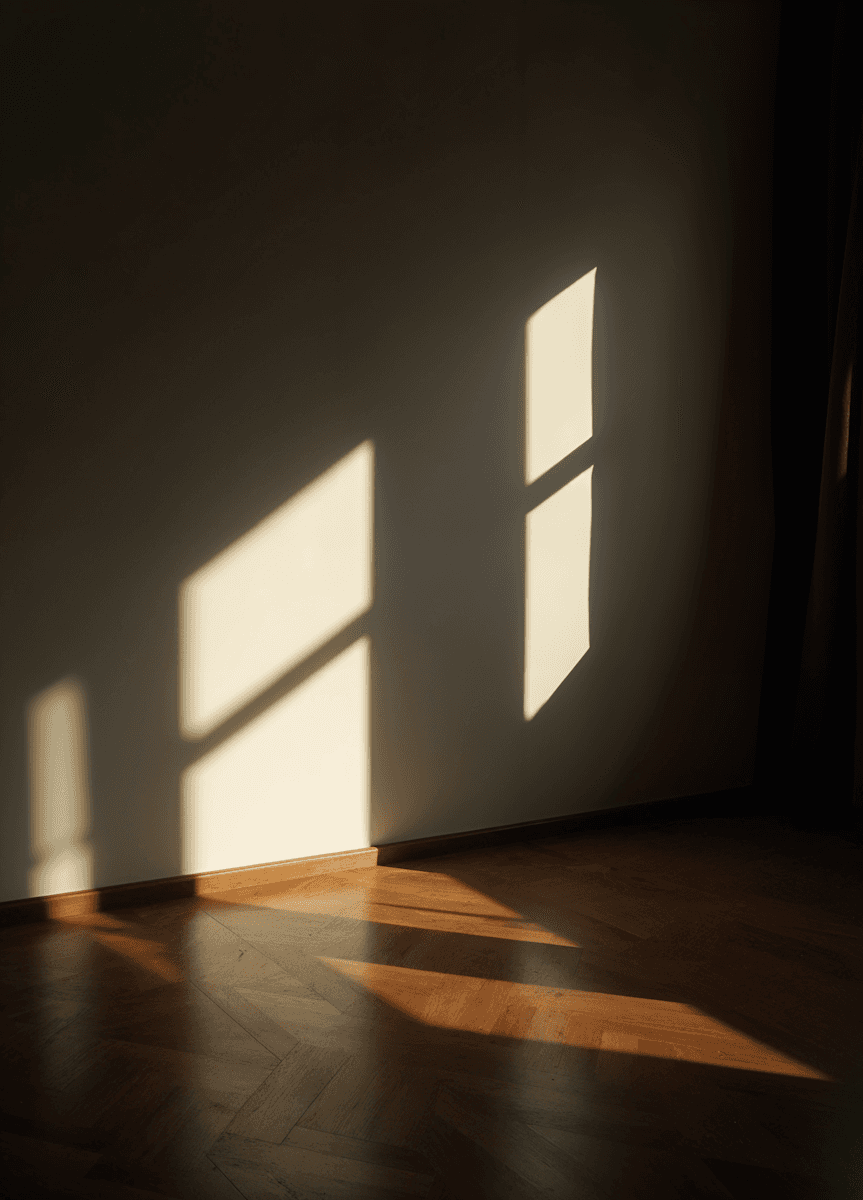
Light is the cornerstone of all photography; it is what breathes life into an image and defines its emotional and visual impact. It shapes the way we perceive textures, colors, and forms, transforming ordinary scenes into extraordinary moments. The direction of light—whether it comes from the front, side, or back—can dramatically alter the mood and depth of a photograph. Front lighting tends to flatten features and reduce shadows, while side lighting enhances textures and creates a sense of volume. Backlighting, on the other hand, can produce silhouettes or glowing outlines that add mystery and drama.
Natural vs Artificial Light
Natural light presents a dynamic, ever-changing palette that challenges photographers to adapt and innovate. The warm hues of sunrise and sunset, known as the golden hour, cast a soft, flattering glow that enhances skin tones and landscapes alike. Conversely, the cooler, diffused light of overcast days offers an even, shadowless illumination perfect for capturing subtle details. Artificial light, such as strobes and continuous LED sources, provides control and consistency, allowing photographers to sculpt scenes with precision. Combining natural and artificial light often yields the most compelling images, balancing spontaneity with technical mastery.
The Power of Shadows
Shadows are not merely the absence of light; they are vital compositional elements that add contrast, depth, and texture. Shadows can evoke a wide range of emotions—from tranquility to tension—and invite viewers to explore the hidden layers within an image. Mastering the interplay between light and shadow allows photographers to create powerful visual narratives that engage and captivate audiences.